


Get in touch with us and send some basic info for a quick quote.
Sewage Backup Cleanup in Brooklyn: What to Do First
Water Damage
November 19, 2026
If sewage is backing up into a Brooklyn home or basement, stay out of the water, keep children and pets away, and stop using sinks, showers, and toilets so you do not add more wastewater to the line. Report the backup to New York City 311, save the tracking number, and call a professional cleanup crew. Sewage is treated as contaminated water, so affected porous materials often have to be removed and surfaces need to be cleaned, disinfected, and dried; Whac A Mold handles that work and can bill your insurance directly when your policy covers it.
What to do first
- Stay out of the sewage. Keep children, pets, and anyone with a weakened immune system away from the contaminated area. Do not walk through it in regular shoes, and do not touch it with bare skin.
- Stop using water in the building. Do not flush toilets, run showers, start the dishwasher, or do laundry until the line is cleared. Extra wastewater can make the backup worse.
- Avoid electrical hazards. Do not run appliances or use outlets near standing water. Shut off power to the affected rooms only if you can reach the breaker without stepping in the water.
- Do not try to clean it with household tools. Do not use a regular vacuum, a shop vac that is not rated for this work, or a household mop to pick up sewage. NYC 311 also advises against eating or drinking anything that came into contact with sewage water.
- Photograph the damage from a safe place. Take pictures of where the water entered, the water line on walls or furnishings, and any damaged belongings before cleanup starts. Keep receipts for emergency supplies.
- Call 311, then call Whac A Mold. Report a sewer backup to 311 or through NYC's online form, and save the 311 tracking number and any DEP customer service request number. Then call (917) 885-9358. In Brooklyn we are usually on site within about 60 minutes.
Call 311, and find out if the problem is the City line or a private line
According to the NYC Department of Environmental Protection, you should report raw sewage backing up into your home to 311 right away and keep your 311 tracking number (it begins with 311-) and any DEP Customer Service Request number (CSR#). DEP says it will inspect the location within six hours of receiving the complaint, though heavy rainfall or a large snowmelt may cause delays.
DEP also explains the usual split in responsibility:
- If DEP confirms a backup in the City's sewer system, the City starts the repair process for that system.
- If DEP confirms the backup was caused by a problem with the private sewer service line that connects the property to the City sewer main in the street, the property owner is responsible for that line and may receive a Notice to Repair.
We clean and dry the inside of the property. A plumber or sewer contractor may still need to clear and camera the line so the backup does not return.
If you believe the City sewer caused the damage
NYC DEP says that if you believe the City was at fault for damage from a sewer backup, you should contact the New York City Comptroller's Office within 90 days to file a claim. The Comptroller's Office says to use the Water Damage Claim Form for a sewer backup or water main break, and that a notice of claim must be filed within 90 days of the incident. Claims are filed through the Comptroller's eClaim system, or by the mail or in-person options listed on the Comptroller's site. The Comptroller's Office says claims cannot be filed by email.
Confirm the current form, filing method, and deadline on the official Comptroller pages, because those instructions can change. Filing a claim does not mean the City will accept responsibility. Keep your 311 and DEP numbers, photos, invoices, and a list of what was damaged. Whac A Mold can provide cleanup and drying documentation that you may submit with a claim. We cannot file the Comptroller claim for you.
Why sewage cleanup is different from ordinary water damage
A sewage backup is not the same as clean supply water from a burst pipe. In restoration work, sewage is commonly treated as Category 3 water, sometimes called black water, because it can carry bacteria and other germs. NYC 311 warns that floodwater may contain sewage and germs, and that direct exposure may infect the eyes, skin, stomach, or intestines. See the official 311 page, Sewage or Flood Clean-Up, for current public health guidance.
Materials that cannot be thoroughly cleaned, disinfected, and dried often have to be discarded. That can include carpet and padding, wet drywall and insulation, mattresses, upholstered furniture, and many paper or fabric items. Hard, non-porous surfaces can often be cleaned and disinfected, then dried. NYC 311 also notes that items that cannot be cleaned and dried within 24 to 48 hours should be discarded, and that extensive damage should be cleaned by a professional.
How Whac A Mold cleans a sewage backup
We are based in Marine Park, at 1531 E 36th St, Brooklyn, NY 11234. On a sewage job we typically:
- Keep occupants out of the contaminated area and limit traffic so the mess is not tracked through the rest of the home
- Extract the standing sewage
- Remove materials that cannot be cleaned safely
- Clean and disinfect the remaining affected surfaces
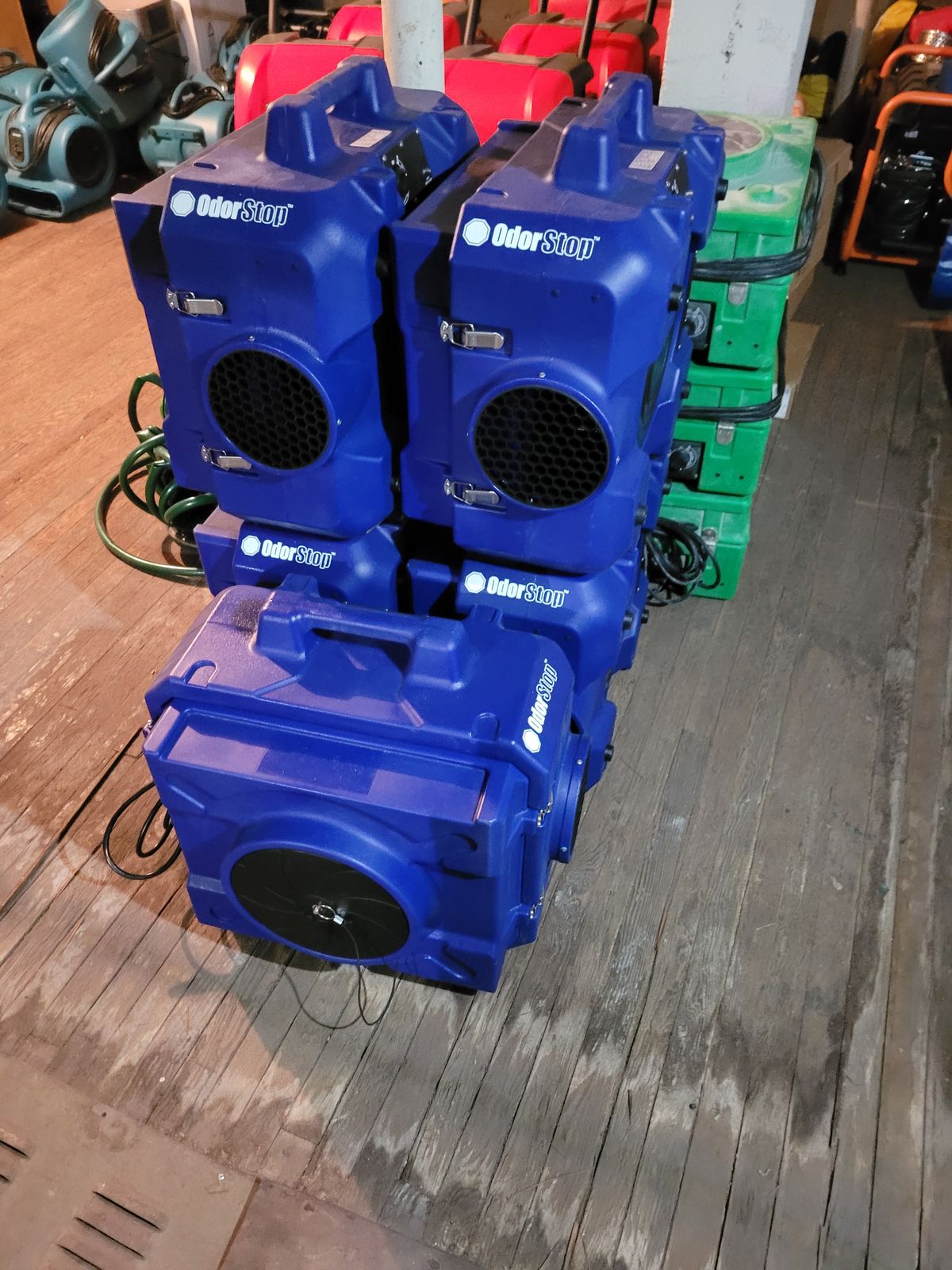
- Dry the structure with air movers and dehumidifiers, and check moisture before the equipment comes out
Our technicians are IICRC certified in water damage restoration (WRT), which applies to the extraction and drying portion of the job. For more on this service, see sewage cleanup. If a backup is left wet, mold can start in hidden materials such as wet drywall, insulation, and subfloors. If that has already happened, we can handle remediation under our NYS mold remediation license 26-6ZUSH-SHMO. See mold remediation.
Does insurance cover a sewer backup?
It depends on your policy. Many standard homeowners and renters policies do not cover sewer or drain backup unless you added a water-backup or sewer-backup endorsement. Call your insurer and ask whether you have that coverage, what the limit and deductible are, and what photos or receipts they need. The New York State Department of Financial Services also notes that a policy may cover sewage damage by endorsement, but that flood is typically treated as a different kind of loss.
Document the damage before cleanup when you can do so safely, and save every receipt. Permanent repairs should wait until your insurer has had a chance to inspect, but necessary cleanup and drying should not wait. Leaving sewage in the building makes the damage worse. Whac A Mold bills insurance directly and helps with claim documentation. Coverage always depends on your policy and on the cause of the loss.
Related help
- Sewage cleanup
- Water damage restoration
- Burst pipe cleanup
- Mold remediation
- Marine Park service area
Sewage in the home right now? Call (917) 885-9358.
Frequently asked questions
What should I do first if sewage backs up in my Brooklyn home?
Stay out of the sewage, keep children and pets away, and stop using water and toilets in the building. Do not use a household vacuum on it, and do not touch electrical switches in wet areas. Report the backup to 311 and save the tracking number, then call Whac A Mold at (917) 885-9358. In Brooklyn we are usually on site within about 60 minutes.
Does insurance cover a sewer backup in New York?
Only if your policy includes that coverage, which is often a separate water-backup or sewer-backup endorsement. A standard homeowners or renters policy frequently excludes sewer and drain backup. Ask your insurer about the endorsement, the limit, the deductible, and the records they need. Whac A Mold bills insurance directly and helps with documentation when you have a claim.
Should I call 311, and who is responsible for the sewer line?
Yes. NYC DEP says to report raw sewage backing up into your home to 311 immediately and to keep the 311 and DEP request numbers. If DEP finds a problem in the City sewer, the City handles that system. If DEP finds a problem in the private service line that connects the property to the City main, the property owner is responsible for that line. Confirm the details with DEP and, if needed, a plumber.
Can I clean a sewage backup myself?
For a small, contained spill some people follow NYC 311's public clean-up guidance, including protective gloves, boots, and goggles, and discarding items that cannot be thoroughly cleaned, disinfected, and dried. For standing sewage, a finished basement, or a large area, 311 says to seek professional cleaning. Do not use a regular household vacuum, and do not leave wet, contaminated materials in place.
How do I file a claim if I think the City sewer caused the damage?
NYC DEP says to contact the New York City Comptroller's Office within 90 days if you believe the City was at fault. The Comptroller's Office says to use the Water Damage Claim Form for a sewer backup and to file a notice of claim within 90 days, through eClaim or the mail or in-person options on its site, not by email. Confirm the current steps on the Comptroller's website. Whac A Mold can provide cleanup records for your file, but we cannot file the claim for you.


Latest blog posts

